Twice yearly is a starting rhythm
The interval should shorten when disease, medication, abnormal trends or new functional changes require closer follow-up.
Kindspan preventive care guide
Six months can contain a lot of change in an older dog: a few lost pounds, a new heart murmur, a shorter walk or a medication that needs reassessment. The schedule is valuable because it creates comparison.
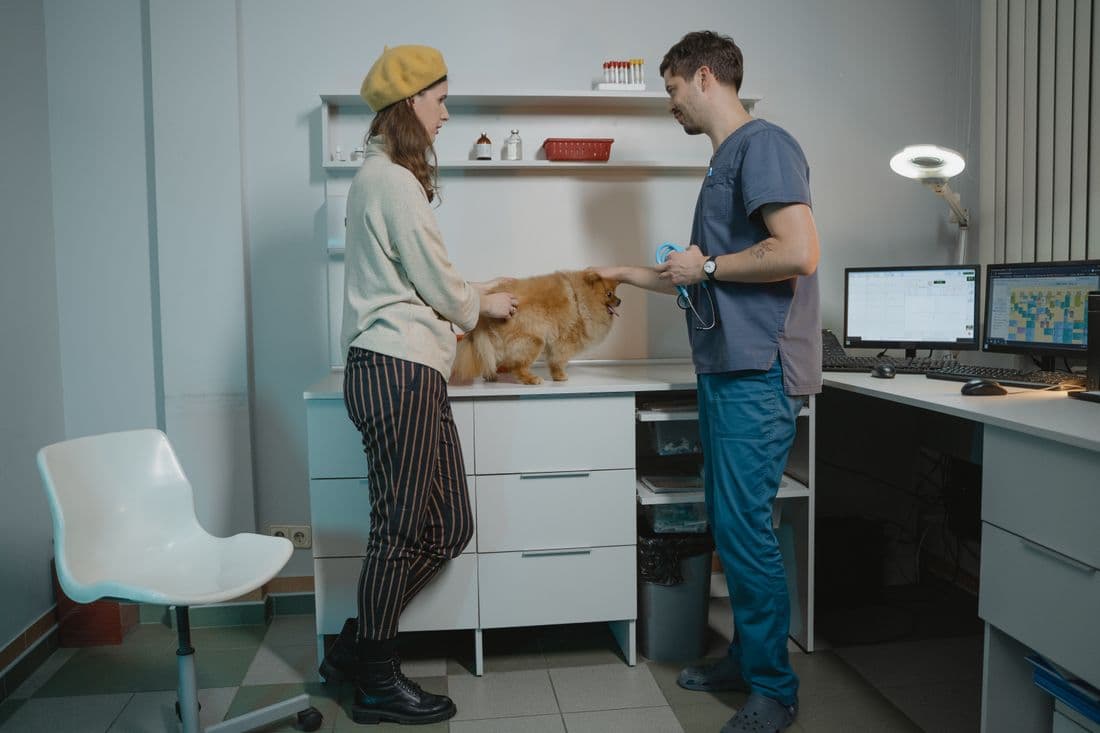
AAHA says healthy senior dogs should generally see a veterinarian at least twice a year. Its senior diagnostic table lists CBC, chemistry and urinalysis every 6–12 months as general guidance, with other tests chosen around breed, lifestyle, history, medications and findings. Disease, new symptoms and treatment monitoring often call for a shorter interval.
The care framework
The interval should shorten when disease, medication, abnormal trends or new functional changes require closer follow-up.
Screening is useful when the result could change monitoring, investigation or care—not because more testing is inherently better.
Brief notes, measurements and videos make subtle change visible and reduce reliance on memory.
In later life, that interval can contain a meaningful change in pain, organ function, weight or behavior.
A scheduled rhythm creates another physical examination and a chance to compare weight, body condition, muscle condition, oral health, heart and lungs, abdomen, joints, neurologic function and behavior. It also keeps medication and supplement lists current.
A stable senior may follow the preventive rhythm. A dog starting a drug, losing weight or developing a new murmur may need a targeted recheck much sooner.
AAHA lists common senior tests, but the choice and timing belong to the veterinarian who knows the patient.
CBC, chemistry and urinalysis every 6–12 months are general senior-dog recommendations in AAHA’s table. Annual thyroid and blood-pressure assessment are also listed, while infectious-disease, cardiac, imaging and urine-protein tests depend on risk or findings.
Ask why a test is being recommended, what it could detect, how an abnormal result would be confirmed and whether the dog has a previous baseline for comparison.
| Conversation | General reference | Individualizing factors |
|---|---|---|
| Physical examination | At least twice yearly for healthy seniors | New signs, disease, medication, prior finding |
| CBC / chemistry / urinalysis | Every 6–12 months in AAHA table | Trend, disease risk, treatment monitoring |
| Thyroid / blood pressure | Annual recommendation in AAHA table | Clinical signs and prior values |
| Imaging / cardiac testing | When clinically indicated | Breed risk, examination and symptoms |
Five repeatable observations beat an exhaustive diary that no one can sustain.
Track weight when practical, appetite, movement after rest, sleep, elimination and one favorite activity. Add periodic body and muscle-condition checks under veterinary guidance. Save dated videos when they show a representative change.
When a new pattern appears, call with the observation instead of waiting for the next scheduled visit. The clinic can help place it in urgent care, a sooner appointment or home monitoring.
New respiratory effort, collapse, inability to stand, seizure, severe pain or rapid deterioration should be addressed promptly.
Other changes deserve an earlier non-emergency appointment: progressive weight loss, persistent appetite change, repeated vomiting or diarrhea, increased thirst or urination, worsening mobility, nighttime distress, new house-soiling, a growing mass or a wound that doesn’t heal.
When you’re uncertain, call the veterinary team and describe the speed, severity and effect on function. Age shouldn’t normalize a change that would concern you in a younger dog.
Bring the current list, the top three changes and the questions that would alter what you do at home.
Ask for the dog’s current body and muscle-condition scores, the most important risk to monitor, whether the screening schedule should change and what outcome defines success for each treatment.
Before leaving, confirm the next scheduled visit and any earlier recheck, how results will be communicated, and which signs should trigger a call.
Questions owners ask
AAHA says healthy senior dogs should generally be seen at least twice yearly. The actual schedule should be individualized.
AAHA’s general table recommends CBC, chemistry and urinalysis every 6–12 months. Timing depends on health, medications, prior results and current findings.
Sudden loss of function, breathing difficulty, collapse, severe pain, seizure or rapid deterioration need prompt guidance. Progressive weight, appetite, thirst, mobility or behavior changes also justify an earlier call.
Source ledger
Guidelines, regulators, systematic reviews and primary population studies take precedence over commercial summaries and anecdotes.
From reading to preparation
Build a free Kindspan plan around your dog’s age, daily-life baseline, health history and the changes you want to discuss.
Build my dog’s free plan